
Author, CEO /
Berlin
Portraits, social programs, policy in Germany and the Middle East
Contact
Life
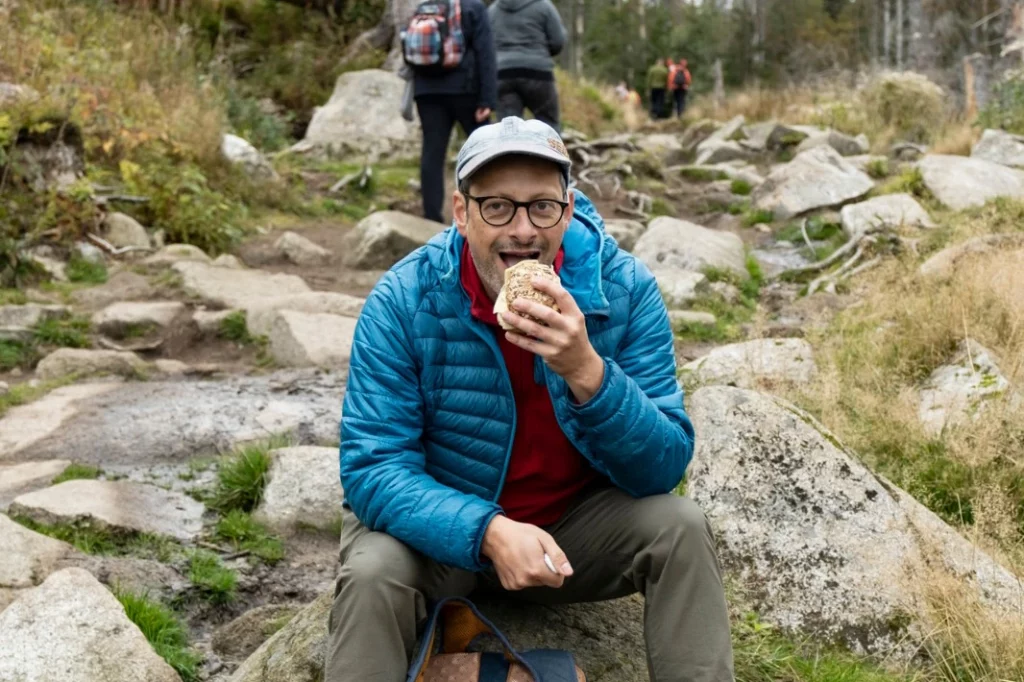
Born 1970, from Aurich/East Frisia. Studied Islamic Studies and Middle East History in Hamburg, Beirut, and Tel Aviv. Worked as a country specialist at the Near and Middle East Association in Hamburg, completed a traineeship at the Axel Springer School of Journalism, and subsequently worked for two years as a political editor at The world. Early 2005 switch to World on Sunday, two and a half years of parliamentarycorrespondent for the CDU, CSU, and FDP. In May 2007, a member of a developmenteditor at Axel Springer AG, at Zeitenspiegel since January 2008, and part of the management team since the end of 2024.
Awards
Projects
-
Jan Rübel, Reportage
Die Tänzer von Zehlendorf
Author Jan Rübel
Erschienen in „Berliner Illustrirte Zeitung“, 21. Februar 2010Jeden dritten Montag treffen sie sich zum Tanzcafé: Damen in roten Roben und Herren mit Tuch im Revers. Sie leiden an Alzheimer. Die Musik soll sie zurück in ihre Jugend wiegen.
-
Jan Rübel, Reportage
From drugs to dog sitter
Author Jan Rübel
Published in „Dogs“, No. 2/2010Because addicts often have dogs, the Berlin institution “IdeFix” tries to reach them through their pets and find new perspectives together. In the case of ex-junkie Ameise, this has been very successful.
-
Jan Rübel, Reportage
A trip to Germany
Author Jan Rübel
Erschienen in „Das Parlament“, 53/2009Wenn Lebenshilfe mit Behördenstrukturen kollidiert: Ein Blick in Praxis und Geschichte des deutschen Föderalismus
-
Jan Rübel, Portrait
Politicians in Portrait 2009
Author Jan Rübel
Published in „Das Parlament“Seit Januar 2009 porträtiert Zeitenspiegler Jan Rübel für die Rubrik “Parlamentarisches Profil” der Bundestagszeitung “Das Parlament” Abgeordnete des Deutschen Bundestages.
-
Jan Rübel, Reportage
You're not getting anywhere anymore.
Author Jan Rübel
Published in „Frankfurter Rundschau,“ June 23, 2009A thousand kilometers crawling across German fields: That's the distance many Polish harvest workers have covered by the end of asparagus season. Tomorrow, on St. John's Day, the seasonal workers will travel back home – for many, it's a final farewell. The drudgery is no longer worth it for them either.
-
Jan Rübel, Reportage
Sentenced to life
Author Jan Rübel
Published in „Frankfurter Rundschau,“ May 18, 2009Ronni was deported to Uganda – and dreams of Berlin. He came to Germany as a refugee child. He felt at home and applied for asylum. Then he raped a girl.
-
Jan Rübel, Reportage
In the streets of Moabit
Author Jan Rübel
Published in “stern”, 41/2008As little boys, they were good at school. They wanted to become doctors, judges, or astronauts. Then they became young men and discovered that respect seemed more important than learning and a career. But no one respected them. And today? Today they don't know what to do, are unemployed, and have criminal records. The story of Khaled, Hamad Sherif, Rams, and Sonu, who don't call themselves a „gang“ but a „family.“.
-
Jan Rübel, Reportage
Tom's Second Life
Author Jan Rübel
Published in „stern“, 04/2008When the police freed him, he no longer felt any pain; his nervous system had switched to emergency mode. Tom, a victim of years of abuse, now lives with foster parents. The story of a great burden – and unconditional love.
-
Jan Rübel, Reportage
Until death do you part
Author Jan Rübel
Published in „sonntag aktuell,“ November 25, 2007More and more Muslims want to be buried in Stuttgart's main cemetery. The consequence: foreign burial rituals and ceremonies. A Portuguese gravedigger and his everyday life.
-
Jan Rübel, Reportage
„Da lassen wir uns gern belächeln“
Author Jan Rübel
Erschienen in „Welt am Sonntag“, 8. Oktober 2006CSU-Politiker Peter Ramsauer erklärt den Bayern die Gesundheitsreform.
-
Jan Rübel, Reportage
A social romantic in search of comfort
Author Jan Rübel
Published in „Welt am Sonntag,“ August 21, 2005Horst Seehofer must not become a minister
-
Jan Rübel, Reportage
Mr. Müller from the NPD
Author Jan Rübel
Published in „Die Welt“, September 25, 2004The Saxon state election brought unexpected success for the NPD. The far-right extremists are not only showing combat boots, but also a bourgeois face. One like Johannes Müller. The doctor is now becoming an NPD member of parliament.